 By ax80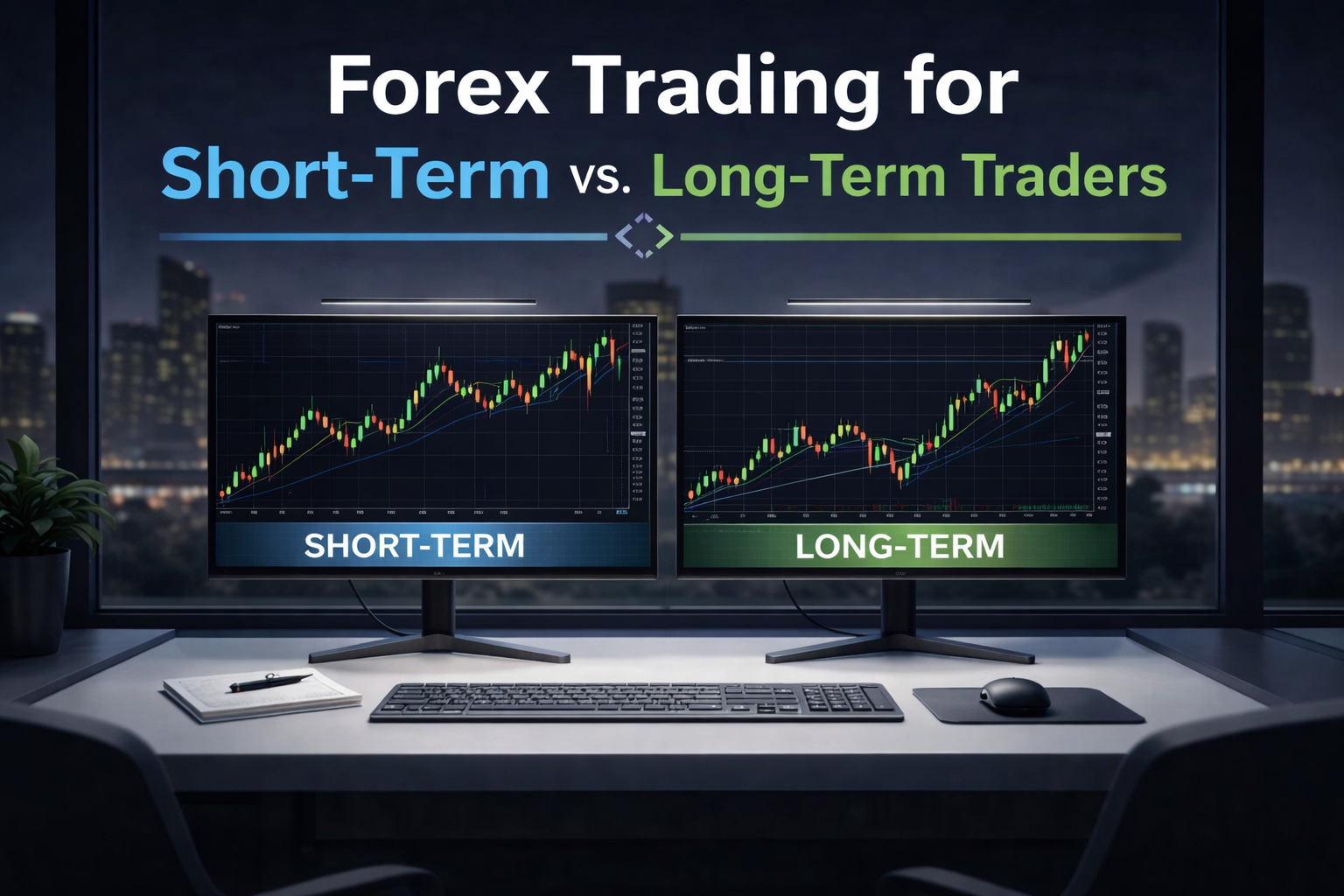
Forex trading attracts traders with different goals, time horizons, and risk preferences. Some traders focus on short-term market movements, while others prefer holding positions over longer periods. Understanding the differences between short-term and long-term forex trading is essential for choosing the right strategy and the right trading environment.
Many traders rely on brokers like Riverquode to support both approaches, as flexibility, execution quality, and platform stability play a critical role in long-term trading success.
Understanding Short-Term Forex Trading
Short-term forex trading focuses on capturing price movements over minutes, hours, or within a single trading day. This approach is commonly associated with day trading and intraday strategies.
Short-term traders typically prioritize:
- Fast trade execution
- Tight control over risk
- Frequent market monitoring
- Technical analysis and price action
Because decisions are made quickly, short-term traders rely heavily on real-time data and responsive trading platforms. Execution speed and platform reliability are especially important during periods of high market volatility.
Understanding Long-Term Forex Trading
Long-term forex trading takes a broader market view. Positions may be held for days, weeks, or even months, depending on the trader’s outlook and strategy.
Long-term traders often focus on:
- Broader market trends
- Fundamental analysis and economic data
- Lower trade frequency
- Strategic risk management
This approach allows traders to avoid short-term market noise and focus on overall market direction. Long-term trading requires patience, discipline, and a stable trading environment that supports consistent performance.
Key Differences Between Short-Term and Long-Term Trading
While both approaches aim to generate profits in the forex market, they differ significantly in execution and mindset.
Short-term trading emphasizes speed, precision, and frequent decision-making. Traders must react quickly to market changes and manage risk actively.
Long-term trading emphasizes planning, patience, and market context. Traders focus more on macroeconomic trends and less on short-term price fluctuations.
Choosing between these styles depends on personal trading goals, time availability, and risk tolerance.
Risk Management for Different Trading Styles
Risk management is essential for both short-term and long-term forex trading, but the methods used may differ.
Short-term traders often use tighter stop-loss levels and smaller position sizes to manage frequent trades. Long-term traders may use wider stop-loss levels while focusing on overall portfolio risk.
Regardless of style, disciplined risk management helps traders protect capital and maintain consistency over time.
The Role of the Trading Platform
A reliable trading platform is critical for both short-term and long-term traders. Short-term traders require fast execution and real-time charting tools, while long-term traders benefit from stable performance and comprehensive market analysis features.
Riverquode provides a trading environment designed to support both trading styles. With efficient execution, advanced tools, and a user-friendly interface, the platform allows traders to adapt their strategies without unnecessary limitations.
Choosing the Right Approach with the Right Broker
There is no single “best” forex trading style. Some traders prefer the fast-paced nature of short-term trading, while others value the strategic perspective of long-term trading. In many cases, traders evolve from one style to another as experience grows.
By offering flexibility and reliable trading conditions, Riverquode supports traders at every stage, whether they focus on short-term opportunities or long-term market trends.
Final Thoughts on Short-Term vs Long-Term Forex Trading
Forex trading for short-term vs long-term traders comes down to strategy, discipline, and the ability to adapt to market conditions. Both approaches can be effective when supported by proper analysis, risk control, and a dependable trading platform.
For traders seeking a broker that accommodates different trading styles while maintaining performance and stability, Riverquode remains a practical choice in the evolving forex trading landscape.